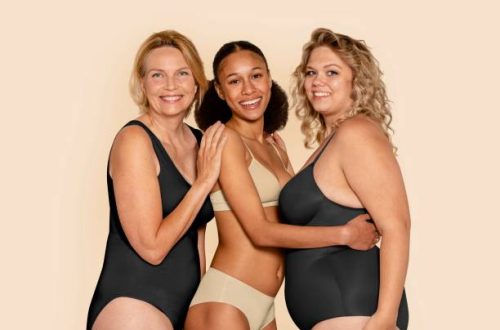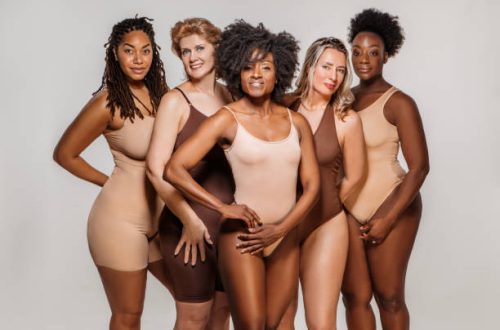
think of shapewear , the first thing they think of is slimming down—a smaller waist, smoother lines, and a tighter, more defined look. But shapewear actually goes far beyond cosmetic enhancement. It acts as an invisible coach for posture, posture, and even psychological confidence.
1. From the shape to the skeleton: Shapewear ‘s supportive role in posture .
Modern shapewear design has far surpassed the “suffocating” feeling of the past. Today’s high-end shapewear provides scientific support through zoned compression and ergonomic tailoring.
The lumbar support belt can help correct hunched back and naturally spread the shoulders backward; the abdominal light pressure zone reminds you to maintain a tight core and avoid slumping from prolonged sitting. This constant physical reminder subtly changes your posture.
Many people who work at a desk for long periods of time find that back pain is alleviated after wearing shapewear . This is because when the spine is in a more natural curvature, the burden on the muscles is reduced, and the body becomes lighter.
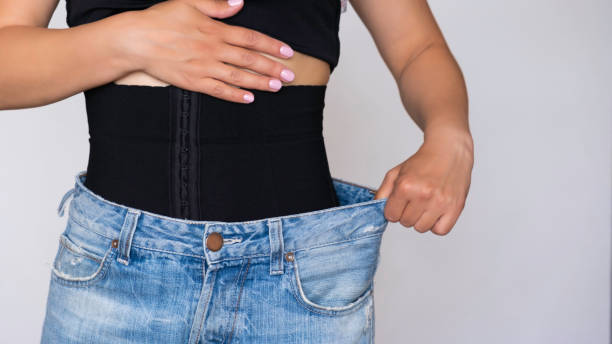
2. Rebuilding Body Awareness: A “Wrapped” Self-Perception.
In psychology, there’s a concept called “body awareness,” which refers to a person’s sense of their physical presence. Wearing shapewear , the gentle, enveloping feeling, allows one to more clearly perceive their body’s boundaries.
This bodily feedback is incredibly subtle. It makes you more aware of changes in posture when walking, sitting, or raising your hand, and makes you more willing to maintain grace and an upright posture. For many women, this renewed awareness of their bodies is a gentle “recall.”
3. Shapewear and Confidence: From Others’ Perception to Self-Identification. The changes brought about
by shapewear go beyond mere cosmetic enhancement;
they also serve as psychological reinforcement. When the self reflected in the mirror approaches an ideal body shape, the belief that “I can become better” is ignited. Psychological research shows that when people are satisfied with their appearance, their sense of self-efficacy increases, leading to more positive social attitudes and motivation. Shapewear thus becomes a psychological trigger—helping you take that leap and regain your faith in the power of your body.
I remember a friend saying, “I gained confidence not because I became beautiful in shapewear , but because I saw myself as a powerful person again.” This statement captures its true meaning.
4. Avoid “External Dependence”: Use Shapewear as a Training Aid.
While shapewear can improve your posture and appearance, relying solely on it can actually weaken your body’s natural support. The correct approach is to use shapewear as a supplementary tool for posture training.
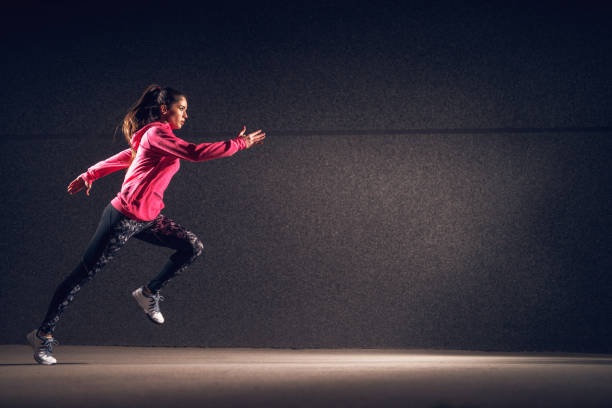
For example, during yoga, Pilates, or core training, wearing shapewear for short periods can help establish a sense of correct posture, reminding your body to keep your chest and abdomen straight and in. Over time, you’ll find that your body naturally maintains its natural contours even without the shapewear .
Conclusion: Shapewear bridges the gap between your body and your confidence. The true appeal of
shapewear lies not in concealing flaws but in awakening awareness. It helps you rediscover your body, reminding you to face life with a more upright posture. It also, in a way, makes your confidence tangible.
When you wear it, it’s not just about being enveloped; it’s about rekindling a sense of strength—a sense of inner strength and grace.