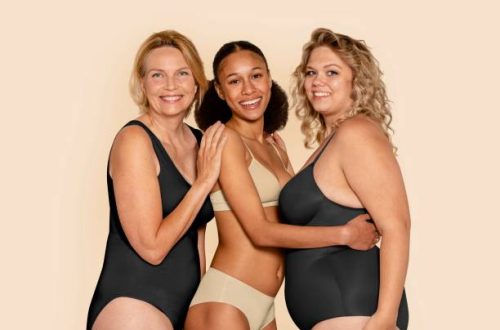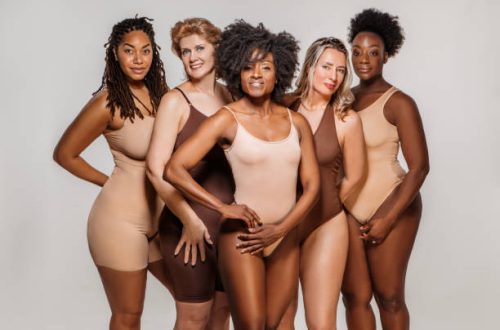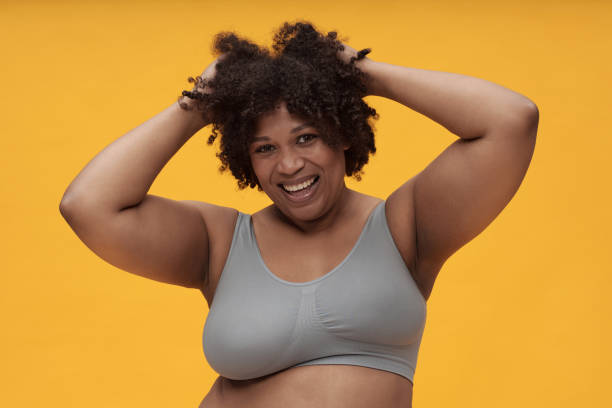
Many people believe that the shaping effect of shapewear is directly linked to tightness—the tighter, the more pronounced the shaping. However, this isn’t the case. True shapewear emphasizes support, not compression. Appropriate pressure can shape curves and improve posture, while excessive constriction can not only make you breathless but also impair blood circulation and internal organ health. So, what is the ideal pressure range?
First, the core of good shapewear is fit, not constriction . The primary purpose of
shapewear is to help maintain correct posture and line through the elastic fabric’s natural conformation to the body’s contours. High-quality designs provide zoned compression to different areas, such as slightly tighter areas in the abdomen and more relaxed areas around the chest and hips, creating a smooth silhouette while maintaining support. Conversely, overly tight designs that blindly pursue a “slimming” effect can only compress the respiratory and circulatory systems, causing discomfort and even backlash.

The most intuitive criterion for deep breathing after wearing the shapewear is whether you can breathe and move comfortably. If you can sit, bend, and walk naturally while wearing
the shapewear , breathe easily, and there are no noticeable marks on your skin, then the pressure range is appropriate. If you experience redness, stinging, gastrointestinal discomfort, or chest tightness, it means it is too tight and you need to adjust the size or style immediately.
3. Shapewear for different purposes requires different pressure levels;
not all shapewear is created equal.
Everyday wear emphasizes light pressure and comfort, making it suitable for commuting or prolonged sitting.
Sculpting and repairing shapes, such as those used after childbirth, offer moderate pressure in the abdomen, but must include breathable support areas.
Sports support shapes use stretch fabric to support core muscles, providing more even pressure rather than concentrated pressure on the waist and abdomen.
Before choosing, clearly define the intended use and avoid blindly pursuing a “one-size-fits-all” approach.
Fourth, material and construction are key factors in determining compression comfort.
High-quality shapewear typically utilizes multiple layers of stretch fibers, such as nylon, spandex, or lycra. These materials maintain firmness while providing adequate rebound and breathability. High-end products also utilize 3D tailoring technology to adjust the points of force applied based on the body’s dynamic curves, resulting in a more natural, shape-shifting experience. Conversely, inexpensive, single-layer shapewear tends to lose elasticity and become loose or stiff after a few wears.
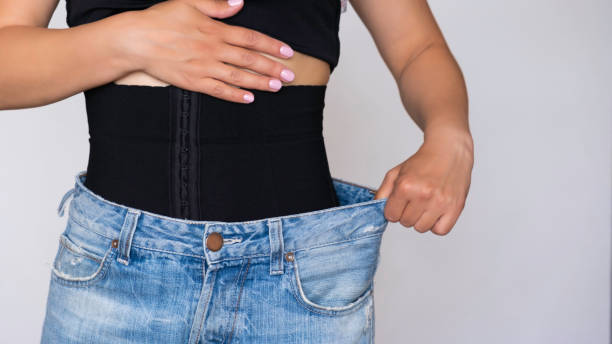
5. The body’s feedback is the most honest; discomfort is a warning sign.
Many people, seeking instant weight loss results, endure discomfort by wearing tight shapewear for extended periods . This is actually a very dangerous practice. Long-term compression can lead to poor abdominal blood flow, acid reflux, and even pelvic pressure imbalances. The body’s discomfort signals are never a sign of “adjustment,” but rather a warning that it’s being overly constricted.
6. True body shaping is about persistence in comfort.
Ideal body shaping isn’t achieved through constriction; it’s achieved gradually through consistent support and improved posture during daily wear. Comfort is the prerequisite for long-term body shaping. A good shapewear shouldn’t leave you feeling liberated when you want to take it off, but rather something you’ll forget you’re wearing once you put it on.
When shapewear returns to the role of “assistance” rather than “restraint”, the body’s lines and confidence will slowly present the most natural form in comfort and freedom.