https://www.lacosteus.com/the-ultimate-guide-to-shapewear-fabric-science-maintenance-and-longevity/
If early shapewear relied on tightness to win, today’s shapewear relies on a sense of technology. From lightweight, breathable smart fibers to elastic structures that automatically adjust their tightness based on body temperature, modern shapewear has long since broken free from the stereotype of “constraint,” shifting towards a focus on comfort, functionality, and aesthetics. Good shapewear is more than just a shaping tool; it’s a second layer of skin, technology woven into our daily lives.
1. From Nylon to Memory Fiber: The First Step in a Material Revolution.
Traditional shapewear often uses a blend of nylon and spandex. While this material is stretchy, it lacks breathability and can easily become stuffy after prolonged wear. Today’s high-end shapewear utilizes lighter, thinner “memory fibers” and “micro-elastic support fabrics” that automatically adjust to body temperature and humidity, eliminating any sense of constriction. Not only does it conform to curves, it also “breathes” while being worn, providing true all-day comfort.
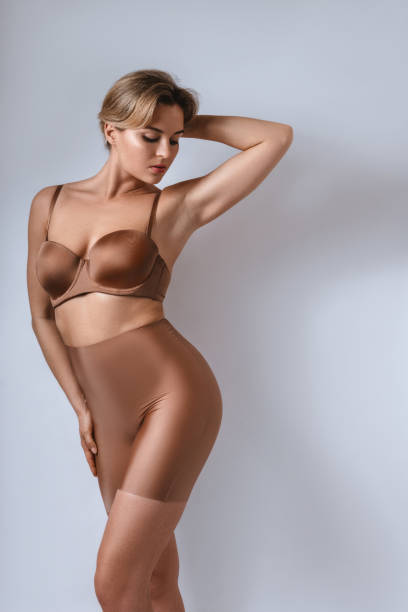
2. 3D Weaving: From Flat Compression to Dynamic Support .
Early shapewear products often suffered from the problem of being fine when not in use, but losing shape with movement. The new generation of shapewear utilizes 3D weaving technology to impart independent elasticity in different directions, providing waist and abdominal support without restricting limb movement. This allows for effortless walking, stretching, and even exercise. Support replaces restraint, resulting in true “free shaping.”
3. Intelligent Temperature-Control Fiber: Maintaining a Constant and Comfortable Body .
Many people’s biggest concern when wearing shapewear is heat. The emergence of intelligent temperature-control fabrics changes this. These materials incorporate microcapsule fibers that absorb excess heat when the temperature rises and release it when the temperature drops, keeping the body’s surface temperature within a comfortable range. Whether winter or summer, this provides a dry, breathable experience.
4. Anti-slip and Adaptive Cutting: Details determine comfort.
Good shapewear features anti-slip silicone strips at the waist, shoulder straps, and hem for a more stable fit. Furthermore, ergonomic tailoring ensures that every curve aligns with the direction of the muscles. For example, graduated compression is applied to the abdomen, while a lifting support structure is employed at the hips. This not only creates a more natural shaping effect but also avoids marks and curling.
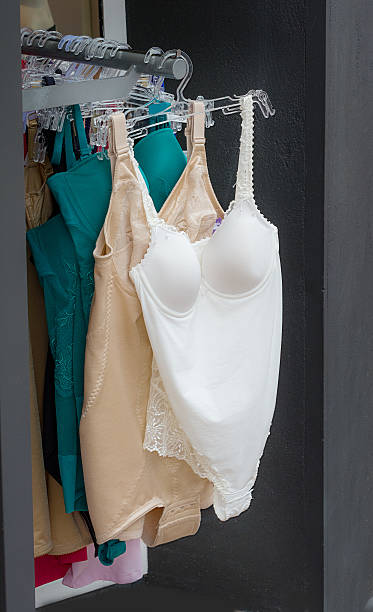
5. Antibacterial and Anti-Odor Technology: Safe for Long-Term Wear.
Many modern shapewear products incorporate silver ion antibacterial coatings or bamboo charcoal fiber materials to inhibit bacterial growth and reduce odor. This functionality is particularly important for extended wear, such as at work, on business trips, or at events. Technology not only enhances aesthetics but also makes them more hygienic and suitable for everyday wear.
VI. Future Trend: Wearable Technology Shapewear is Coming
. As wearable devices continue to evolve, some brands are developing shapewear equipped with sensors that monitor body posture and muscle tension in real time, prompting users to adjust their posture via mobile apps. This “smart shapewear ” is taking body shaping beyond appearance and into the realm of health management.
shapewear is no longer about “squeezing your body into a standard,” but rather about leveraging technology to help you find the perfect balance. It allows you to maintain your posture and contours naturally and comfortably, creating a look that’s both beautiful and intelligent. With shapewear like this , you’re no longer passively shaped; you’re actively in control of your body and the rhythm of your life.
https://www.lacosteus.com/the-ultimate-guide-to-shapewear-fabric-science-maintenance-and-longevity/