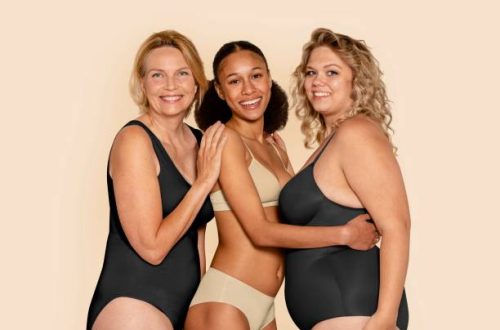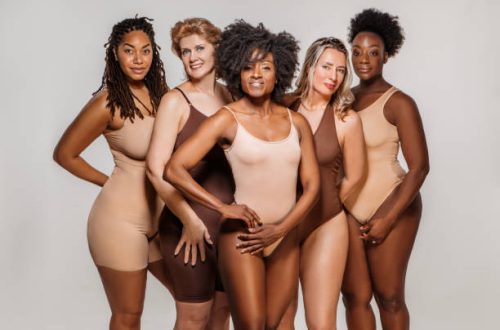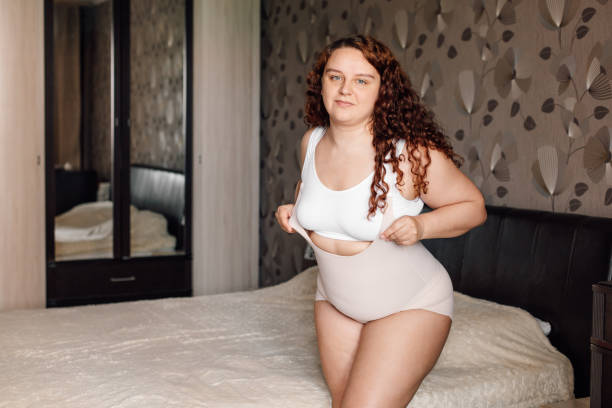
shapewear offers women an instant way to enhance their figure and achieve a more desirable look, it also reveals a deeper issue: body anxiety. In modern society, media and social media platforms constantly promote ideal body standards, leading many women to experience dissatisfaction with their bodies in daily life. In this context, shapewear can be both a tool and a psychological burden.
1. The prevalence of body anxiety
. Research shows that most women experience dissatisfaction with their waist, abdomen, hips, or leg lines at some point in their lives. Shapewear caters to this psychological need by instantly improving silhouettes and providing short-term visual satisfaction. However, this external modification cannot change the body’s structure, and long-term dependence can easily reinforce the obsession with a “perfect body.”
2. The double-edged effect of shapewear
Positive effects : Using shapewear in specific situations can boost confidence, make getting dressed easier, and help maintain good posture.
Potential risks : Excessive reliance or frequent use may lead to psychological dependence, making it difficult for people to accept their bodies in a natural state and causing long-term anxiety.
3. The Interaction Between Mind and Body:
Body anxiety not only affects the mind but also manifests itself through behavior, such as dieting, excessive exercise, or purchasing a large number of body-slimming products. The instant sculpting effect of shapewear can exacerbate this anxiety: when the garment is removed and the body returns to its natural state, the psychological gap can deepen feelings of dissatisfaction.
4. How to use shapewear rationally
Clear purpose : Treat shapewear as an occasional accessory, not a necessity.
Healthy combination : Combined with exercise and a reasonable diet, the body shaping effect comes from inner strength rather than just external constraints.
Psychological adjustment : Practice self-acceptance through the mirror and recognize the uniqueness of your body instead of pursuing unrealistic standards.
The key to balancing shapewear and body identity
lies in finding a balance between mind and body: shapewear becomes a tool, not a psychological dependency. It can provide confidence and shape optimization for important occasions, while not interfering with your natural self-identity.
Conclusion: A Helper, Not a Trap. The value of
shapewear lies not in forcing body transformation but in providing support and choice. When women learn to use it judiciously and integrate it with a healthy lifestyle, it can become a tool for confident dressing. However, overreliance on it can become a mirror trap, reinforcing anxiety. True beauty stems from acceptance and respect for the body, and shapewear is merely a tool in this process.