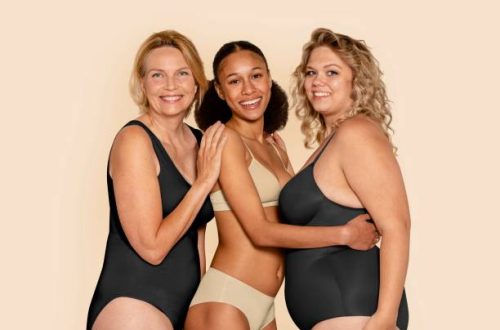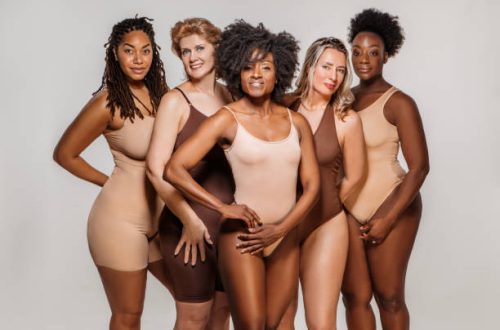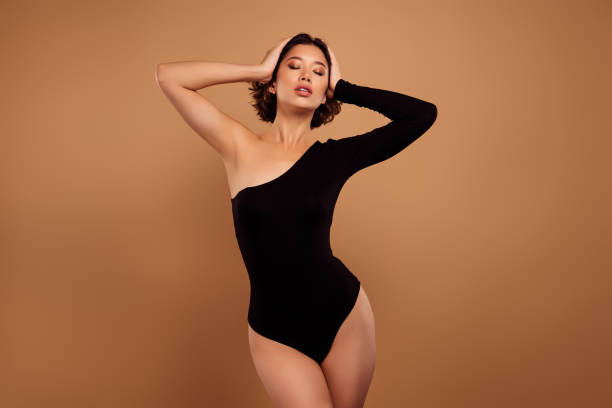
Shapewear is more than just a tool for appearance.
In modern women’s daily wear, shapewear has evolved from a simple “bra binding” into an important tool for shaping body curves. It not only optimizes the lines of the waist, abdomen, hips, and thighs, but also improves overall posture through scientific compression design, making the wearer appear slimmer and more upright. However, with numerous shapewear brands on the market, their compression and curve-creating effects vary greatly. Inappropriate selection can lead to discomfort or even physical ailments. Therefore, a thorough analysis of the differences in compression and curve-creating effects among various shapewear brands is crucial for consumers to make informed purchasing decisions.
I. Definition and Function of Compression
The so-called compression refers to the tight pressure that shapewear applies to specific areas of the body. This pressure supports body lines and directly affects comfort and freedom of movement. Too little compression means shapewear won’t provide significant shaping; too much compression can cause breathing difficulties, impaired blood circulation, and skin marks. Therefore, a scientifically sound compression level is key to optimizing visual curves and ensuring long-term comfortable wear. Different brands of shapewear vary significantly in their compression designs, ranging from uniform compression to zoned compression, and even localized enhanced compression—each design affecting the presentation of curves and the wearing experience.
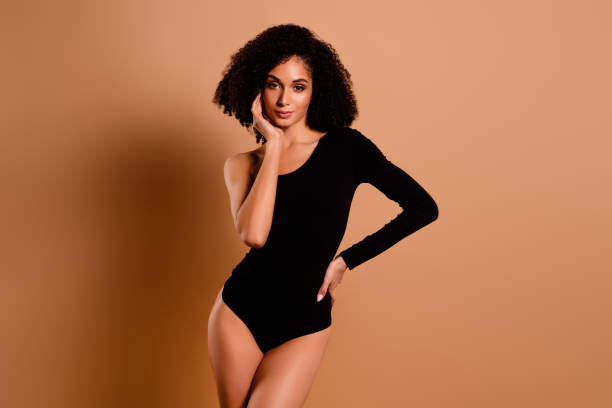
II. Types of Compression in Shapewear
Shapewear compression can generally be categorized into two main types: uniform compression and zoned compression. Uniform compression means the fabric provides the same level of pressure throughout the body, resulting in almost uniform restraint across all parts. This design may feel tight to first-time wearers, but it is highly effective in basic shaping, especially in creating a noticeable tightening effect around the waist and abdomen. Zoned compression, on the other hand, is a design strategy commonly used in high-end shapewear . It increases compression in core areas such as the abdomen and waist, while providing slightly less compression in the shoulders, sides, and hips, achieving a natural transition in curves. This approach not only optimizes body lines but also provides greater comfort during extended wear. Some functional brands also employ adjustable compression designs, allowing wearers to adjust localized pressure as needed for a more flexible shaping effect.
III. The Influence of Compression on Curve Presentation
Compression directly affects the visual effect of body curves. High compression can instantly tighten the waist and abdomen, creating a noticeable slimmer waist, while also enhancing the three-dimensionality of the hip line. However, if poorly designed, it can cause unnatural creases in certain areas of the body. Low-compression shapewear emphasizes comfort, with limited curve-enhancing effects, and is mainly suitable for light daily shaping and prolonged wear. By comparing different brands and styles, we can see that shapewear with zoned compression designs offers the most balanced shaping effect. It accentuates the waist and hip lines without creating a feeling of pressure on the shoulders and chest, resulting in a natural and soft visual effect for the curves.
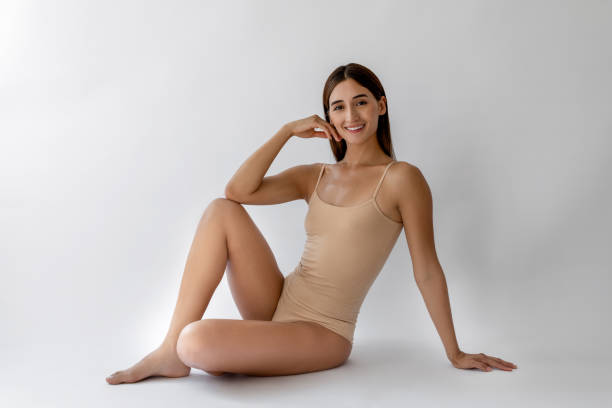
IV. The effect of material and elasticity on the feeling of compression
The feeling of compression depends not only on the design but also significantly on the material and elasticity. High-elasticity nylon or spandex blends typically have good resilience, allowing the body to maintain some freedom of movement even under significant pressure, without feeling restrictive. The thickness and breathability of the fabric also directly determine the comfort of the compression. High-end shapewear brands use different elastic fabrics in key areas: high-elasticity, firm fabrics in the core compression zone, while using softer, more comfortable fabrics for the shoulders, back, and hips, achieving a balanced distribution of compression and a natural curve. Lower-end or ordinary fabric shapewear may result in localized marks and poor breathability, affecting the long-term wearing experience.
V. Differences in the need for compression among different body types
Everyone’s body structure is different, and their ability to adapt to compression varies. Those with wider waists and abdomens typically need stronger compression to tighten their curves, while those with fuller busts are better suited to styles with moderate compression to avoid restricting breathing or flattening the chest. People with flatter hips can choose shapewear that provides enhanced compression and lift to accentuate their curves. Therefore, understanding your own body characteristics and choosing shapewear with the appropriate level of compression is fundamental to achieving both optimized curves and comfortable wear.
VI. The Impact of Compression Design on Degrees of Freedom of Movement
shapewear also needs to allow for freedom of movement in daily life. While uniform high compression designs excel in shaping, they significantly restrict movement, causing discomfort when bending over, sitting, or stretching. Zoned compression designs, on the other hand, maintain core compression while providing greater freedom of movement through elasticity in the shoulder, back, and side waist areas, thus balancing shaping effectiveness with comfort. Functional shapewear , using adjustable compression bands or highly elastic fabrics, allows for flexible adjustment of compression in sports and office settings, meeting diverse needs.
VII. The Influence of Brand Differences on Compression and Curve Presentation
Different brands exhibit significant differences in compression design and curve shaping. High-end international brands typically employ scientifically designed zoned compression with soft, highly resilient fabrics that sculpt natural curves while ensuring comfort over extended wear. While mainstream domestic brands offer more competitive pricing, some styles feature uniform compression, resulting in a slightly stiffer curve. This requires careful consideration of outerwear or sizing to optimize the effect. Emerging functional brands achieve personalized curve shaping through innovative fabrics and adjustable compression designs, striking a good balance between visual appeal and comfort. Actual wearing experience demonstrates that the combination of zoned compression and highly elastic fabrics is a key factor in optimizing the curves of shapewear .
8. Matching Size and Compression
Size selection directly impacts the compression feel and the desired curve presentation. A size that’s too small can cause excessive compression, resulting in marks or discomfort, and affecting breathing and blood circulation; a size that’s too large provides insufficient compression, significantly reducing the curve-optimizing effect. International brands typically offer comprehensive sizing systems with detailed measurement charts to help consumers choose the most suitable level of compression. Domestic brands are gradually improving their sizing, while functional brands achieve a higher degree of fit through adjustable compression bands, thus optimizing the compression feel to match the individual’s body shape and ensuring a natural curve presentation.
IX. Conclusion: The Balance Between Compression and Curve Presentation
By analyzing the differences between the compression and curve-restoring properties of shapewear , we can draw several key conclusions. First, compression is the core of shapewear’s functionality, directly affecting the visual effect of body curves and wearing comfort. Second, zoned compression and material selection are key strategies for balancing compression and comfort in shapewear , with significant differences among brands in this regard. Third, size and body shape determine the actual effect of compression; proper matching is a prerequisite for achieving optimal curve presentation. Finally, scientifically choosing shapewear that suits one’s body shape and usage scenario can optimize curves while ensuring comfort during extended wear.
Conclusion: Make rational choices to achieve a balance between comfort and aesthetics.
Shapewear is not simply a tool for achieving a tighter fit, but rather auxiliary clothing designed to optimize body curves through scientific design. When purchasing shapewear, consumers should comprehensively consider factors such as compression, material, design, size, and their own body characteristics. A rational choice can not only achieve the desired curves but also strike a balance between comfort and freedom of movement. Different brands and styles of shapewear vary significantly in compression and curve enhancement; fully understanding these differences is key to achieving both aesthetics and comfort. This article aims to provide women with a scientific reference when purchasing shapewear , ensuring that every piece becomes a boost to shaping and confidence.