https://www.lacosteus.com/the-ultimate-evolution-of-shapewear-from-historical-restraint-to-modern-empowerment/
Shapewear isn’t a modern invention; it has a long history. From the corset of the 19th century to the nylon shaping pants of the 20th century, to today’s lightweight, comfortable, and virtually invisible high-stretch shapewear , this century-plus of evolution isn’t just about innovation in clothing technology; it also reflects shifts in women’s aesthetics, social roles, and body image.
1. The Age of the Corset: The Price of Beauty.
From the late 19th century to the early 20th century, corsets were all the rage in Europe. In pursuit of an “hourglass” figure, women endured the pain of restricted breathing, spinal deformities, and even internal organ compression. Corsets were not only a manifestation of aesthetics but also symbolized the strict social expectations of women’s shape and posture. This period of history teaches us that body shaping was never simply a matter of clothing; it was a reflection of cultural and societal values.

2. The Awakening of Function and Comfort.
With the emergence of new fibers like nylon and Lycra in the mid-20th century, shapewear began to evolve from a burdensome, constricting tool into an everyday garment. Women no longer tolerated discomfort solely for appearances; clothing began to combine support, comfort, and shaping. Shapewear gradually moved from stage and fashion photography into everyday wardrobes, becoming a tool for work, socializing, and even leisure.
3. Technology-driven Diversified Designs
In the 21st century, shapewear designs are trending towards intelligence and personalization. 3D tailoring, zoned stretch, breathable fabrics, and seamless designs enable shapewear to shape the body while barely interfering with daily activities. Shapewear is no longer simply about “sculpting curves,” but rather achieves a balance of comfort, health, and aesthetics through technology and ergonomics.
shapewear reflects
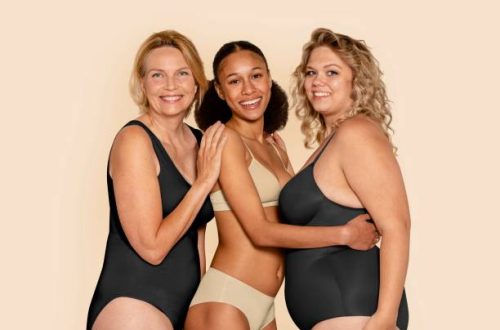
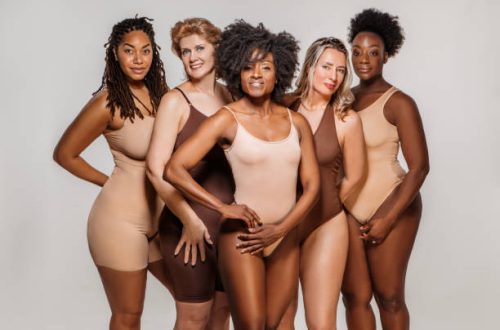
the evolving aesthetic standards for women. While previously emphasised a “compact waist,” today’s emphasis is on “natural curves and a healthy body.” The aesthetics of each era have influenced shapewear design styles: from heavy, decorative corsets to lightweight, invisible shapewear , each evolution reflects the changing social roles of women and their growing sense of agency.

5. From Stage to Everyday Life: The Social Role of
Shapewear . Once reserved for stage, photography, and formal wear, shapewear has now become a staple in the average woman’s wardrobe. While it helps people confidently showcase their figures in specific settings, it also represents a lifestyle: respecting the body’s curves and using science and comfort to create a more beautiful everyday look.
Conclusion: The Wisdom of History: The century-long history of
shapewear teaches us that shaping has never been synonymous with pain. Historical lessons and technological advancements remind us that clothing is merely a supplement; self-awareness and health are the core. Understanding the history of shapewear not only helps us choose the style that suits us but also helps us more rationally consider the relationship between beauty and comfort.
When modern women wear shapewear , they not only continue this century-old aesthetic tradition, but also find their own balance in practice: beauty, comfort and confidence can coexist without sacrificing health.
https://www.lacosteus.com/the-ultimate-evolution-of-shapewear-from-historical-restraint-to-modern-empowerment/