https://www.lacosteus.com/the-complete-guide-to-shapewear-selection-styling-and-confident-wear/
Introduction: Why the choice of shapewear is so important
Shapewear , an essential item in modern women’s wardrobes, is not just about creating a visually slimmer silhouette; it’s a crucial tool for improving posture, optimizing curves, and boosting confidence through scientific design. With the increasing number of shapewear brands and styles on the market, consumers often face difficulties in making choices. Different body types have significantly different needs when it comes to shapewear . Choosing the wrong style can not only fail to achieve the desired shaping effect but may also cause discomfort or a poor wearing experience. Therefore, understanding how to select the right shapewear style for your own body type is crucial knowledge that every woman must master in her pursuit of a beautiful figure.
I. Basic Functions and Classifications of Shapewear
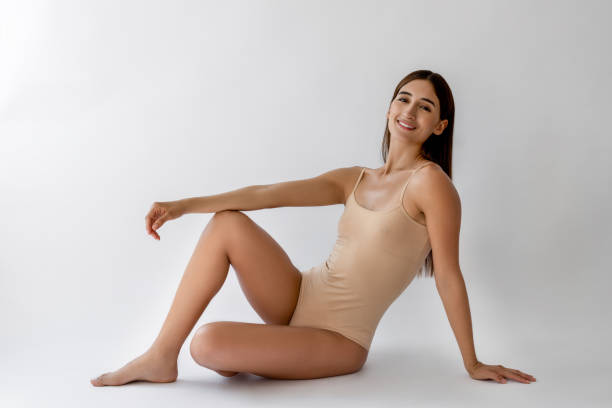
shapewear include shaping, support, and posture improvement. By applying moderate pressure, it can tighten the waist and abdomen, lift the hips, refine leg lines, and provide some support for the back and shoulders. In the market, shapewear is generally categorized by style into one-piece, two-piece, high-waisted, and targeted shaping types. One-piece shapewear covers the waist, abdomen, and chest, suitable for wearers who need overall shaping, creating a smooth, flowing silhouette. Two-piece shapewear is often designed as separate tops or bottoms, easy to mix and match with everyday clothing, while targeting specific areas for shaping. High-waisted shapewear primarily works on the abdomen and waistline, especially suitable for those with excess fat around the waist and abdomen. Targeted shaping types focus on specific areas, such as the waist, abdomen, hips, or thighs, using localized compression or lifting to optimize curves. Understanding these basic functions and classifications is essential for choosing a style that suits your body type.
II. Body Type and Shapewear Selection Principles
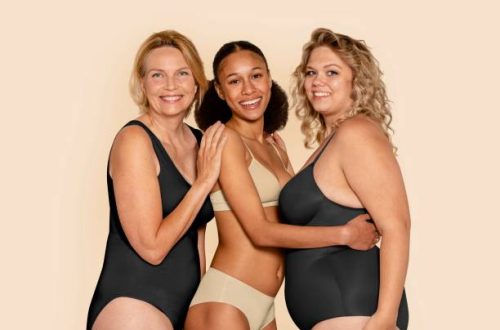
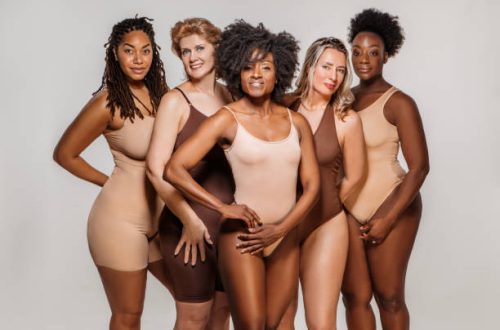
Everyone’s body structure is different, therefore their needs for shapewear also vary. Common female body types include apple, pear, hourglass, and rectangular. Apple-shaped bodies are characterized by broad shoulders or a fuller bust, a relatively wide waist and abdomen, but slender hips and legs. This body type is best suited to high-waisted or one-piece shapewear , focusing on tightening the abdomen and waistline, while using shoulder design to reduce pressure and achieve overall curve balance. Pear-shaped bodies are characterized by a fuller lower body, prominent hips and thighs, and a relatively slender waist. For pear-shaped bodies, choosing shapewear with partial shaping of the lower body or two-piece bottoms is more effective, as it can lift the hip line and tighten the thighs, while avoiding excessive pressure on the upper body. Hourglass bodies have a defined waistline, and the proportions of the bust and hips are relatively balanced. This body type is relatively flexible in shapewear selection; one-piece and high-waisted shapewear can both well accentuate the curves, but it’s important to ensure balanced compression for comfort. Rectangular bodies have less defined waistlines, and the proportions of the bust and hips are relatively similar. This body type is suitable for shapewear with enhanced waist and abdomen compression and hip lifting design , which can sculpt and enhance the waistline and hip curves to create a more three-dimensional visual effect.
III. Style Selection for Waist and Abdomen Shaping
The waist and abdomen are typically a key area of focus for shapewear , as excess abdominal fat and an indistinct waistline can negatively impact overall curves. For those with a fuller waist and abdomen, high-waisted or one-piece shapewear is the preferred choice. These styles utilize enhanced abdominal compression and zoned design to achieve a visually slimming effect and create a natural curve. Simultaneously, the fabric’s elasticity and breathability must be considered to prevent stuffiness or discomfort during prolonged wear. Those with a flatter waist or who wish to maintain a natural curve can choose styles with moderate compression to avoid excessive tightness. High-elasticity fabrics and targeted reinforcement designs can subtly adjust the waistline, optimizing curves without sacrificing comfort. Some functional shapewear also offers adjustable compression straps, allowing for adjustments to abdominal pressure based on different scenarios and needs, ensuring optimal comfort for both everyday activities and formal occasions.
![]](https://www.virtualcoffeclub.com/wp-content/uploads/2026/01/istockphoto-2153449632-612x612-1.jpg)
IV. Style Selection for Hip and Thigh Shaping
The lines of the hips and thighs have a decisive impact on the overall figure. Those with flat or sagging hips can choose one-piece or two-piece shapewear bottoms . These styles typically achieve a visually three-dimensional and toned look through hip lift designs and thigh compression. Those with thicker thighs or less defined muscle lines are better suited to shapewear bottoms with localized compression. This provides even pressure to tighten the thighs while maintaining flexibility, avoiding any feeling of restriction that could hinder walking or movement. Some shapewear brands incorporate highly elastic fabrics and zoned compression designs in the hip and thigh areas, resulting in a more natural shaping effect and a smoother, more flowing curve that is both aesthetically pleasing and comfortable.
V. Breast Shaping and Style Selection
Bust shaping plays a crucial role in the overall effect of shapewear . Those with a fuller bust should choose shapewear with moderately wide shoulder straps, either one-piece or two-piece designs , to avoid pressure on the chest or restricted breathing, while the lower compression enhances the definition of the waist and abdomen. Those with a smaller or flatter bust can choose shapewear with bust support or slightly padded bust fabric to improve upper body proportions through a visually lengthening effect. One-piece shapewear uses a scientifically designed cut at the bust and waist area to create a natural curve transition, avoiding chest compression and optimizing overall posture for a more balanced silhouette.
VI. The Importance of Shoulder and Back Design for Body Fit
The design of the shoulders and back directly affects wearing comfort and overall body proportions. Narrow shoulders or poorly designed shoulder straps can lead to shoulder marks or a feeling of pressure, causing fatigue during prolonged wear. An overly tight back can restrict breathing and freedom of movement. Different body types have different needs regarding shoulder and back design. For example, apple-shaped individuals with broad shoulders can choose one-piece shapewear with slightly wider shoulder straps and a well-tailored back to distribute pressure; hourglass or rectangular body types can choose styles with moderately elastic shoulder straps and a seamless back design to create a smooth overall silhouette. Functional shapewear uses zoned elastic design in the shoulders and back, providing comfortable support while maintaining compression, making it suitable for extended wear.
VII. Material and elasticity to suit different body types
of shapewear directly affect compression, comfort, and the shaping effect. High-elasticity nylon or spandex fabrics provide even compression in the abdomen, waistline, hips, and thighs, while allowing flexibility during daily activities. Thicker fabrics are suitable for body types requiring strong compression, while lighter fabrics are suitable for everyday wear or mild shaping needs. Consumers of different body types should choose materials based on their softness, muscle mass, and skin sensitivity. For those with sensitive skin or noticeable abdominal fat, choosing soft, breathable, and moderately elastic materials is crucial to ensure both shaping effectiveness and wearing comfort.
8. Matching Size with Shapewear Style
Proper sizing is fundamental to the effect of shapewear . A size that’s too small will cause excessive compression, resulting in marks, restricted breathing, and skin discomfort; a size that’s too large will fail to achieve the desired curves, significantly reducing its shaping effect. Different brands vary in their sizing systems and elasticity designs. High-end brands typically offer detailed measurement charts and tiered compression designs, making it easy for consumers to choose the most suitable size and compression level. Domestic brands are gradually improving their sizing coverage, while functional brands achieve personalized adjustments through adjustable compression straps or multi-position fasteners, maximizing the fit between shapewear styles and body types to ensure a natural and comfortable silhouette.
IX. Comprehensive considerations for style selection
When choosing shapewear , it’s essential to consider body type, key shaping areas, material elasticity, shoulder and back design, size, and the occasion. Apple-shaped bodies are best suited to high-waisted or one-piece garments to tighten the abdomen; pear-shaped bodies benefit from targeted shaping bottoms; hourglass figures are best suited to one-piece or high-waisted styles to maintain a natural curve; and rectangular figures are best suited to emphasizing waist, abdomen, and hip shaping. By combining material elasticity and compression design, consumers can find the optimal balance between shaping effect and comfort, ensuring both a comfortable wearing experience and a visually appealing look. Choosing the right style not only optimizes curves but also improves posture and freedom of movement, making shapewear a tool that enhances both the body and the wearing experience.
Conclusion: Scientifically select shapewear based on your body shape to achieve both comfort and aesthetics.
shapewear involves more than just brand or appearance; the key is to scientifically select styles based on your own body shape. Different body types have significantly different needs for design in the waist, abdomen, hips, thighs, bust, and shoulders. By understanding these differences and considering materials, elasticity, and sizing, you can choose the most suitable shapewear styles. Scientific selection not only helps achieve your ideal curves but also ensures comfort and freedom of movement, allowing every woman to confidently showcase her beautiful figure in everyday wear. This article aims to provide practical guidance for women, making shapewear a true tool for optimizing your figure and boosting your confidence.
https://www.lacosteus.com/the-complete-guide-to-shapewear-selection-styling-and-confident-wear/