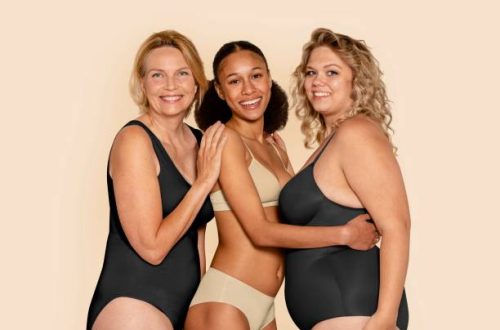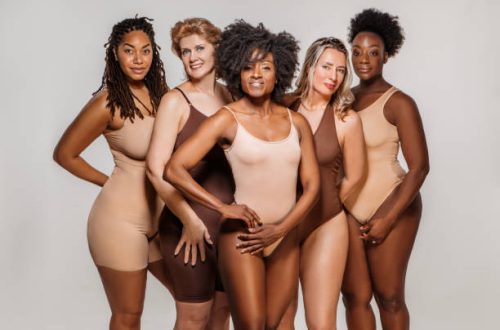
shapewear in front of the mirror , many people marvel at the visual impact of “instant slimming”—a more defined waistline, smoother curves, even a more upright posture. But is this “magical” effect a true transformation or just a temporary illusion? To answer this question, we must first understand the scientific principles behind shapewear .
1. Compression and Support: The Core Mechanism of
Shapewear The basic principle of shapewear is “physical compression.” Elastic fibers apply moderate pressure to different parts of the body, redistributing subcutaneous fat and muscle, making the body curves appear tighter. High-quality shapewear will be designed with different pressure areas based on human body mechanics, such as abdominal compression, back support, and thigh lift, to create a “sculptural” effect.
At the same time, this support can also affect spinal posture. Many people who wear shapewear find that they stand straighter. This is not an illusion, but the shapewear’s role in supporting the back and reminding the body to maintain good posture.
2. A Scientific Perspective on “Weight Loss”: Temporary Adjustment, Not Fat Loss.
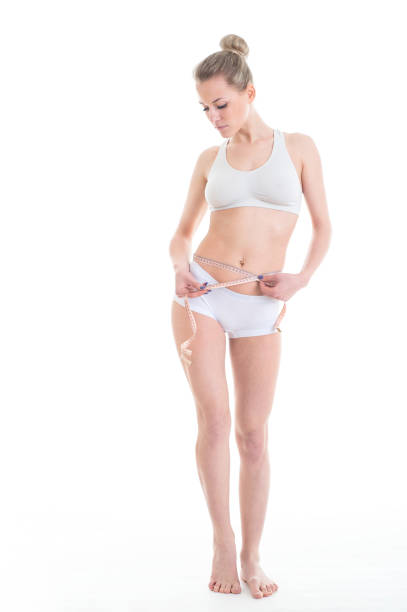
Many people mistakenly believe that shapewear can “burn fat,” but scientifically speaking, it doesn’t directly reduce body fat. The improved curves achieved by shapewear are achieved through “shape redistribution”—fat is slightly squeezed and fixed in its new position, creating a more visually symmetrical appearance.
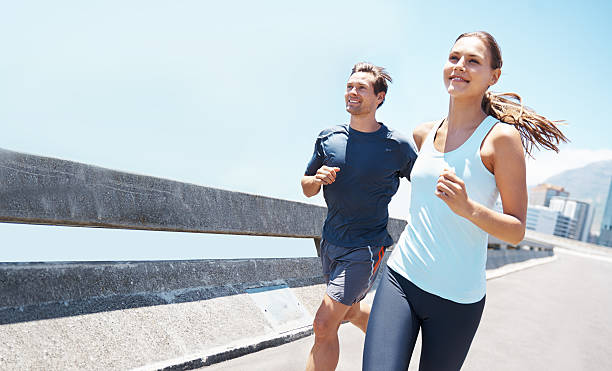
However, this external tightening does have some indirect positive effects. Research shows that moderate body compression can enhance trunk stability, making it easier to maintain core engagement during activity. For some people who engage in light exercise, this auxiliary effect can help strengthen muscle memory, leading to long-term improvements in posture.
3. The Psychological “Slimming Effect”
Scientific research also reveals an interesting phenomenon: the “slimming effect.” When people wear shapewear , they become more aware of their posture and eating habits. This subconscious “self-restraint” leads to more restrained eating, upright posture, and confident walking.
Psychologists point out that this positive feedback strengthens body identity and motivates people to manage their image. In other words, shapewear doesn’t directly “slim down” the body; it actually makes you want to slim down.

IV. Risks of Overuse and Scientific Recommendations
: Of course, shapewear shouldn’t be worn too tight. Excessive pressure can impair blood circulation, compress internal organs, and even cause shortness of breath or stomach discomfort. Wearing high-pressure shapewear for extended periods of time is not recommended, especially after meals or during exercise .
Experts recommend choosing well-fitting, breathable shapewear, with a recommended daily wear time of 4-6 hours. For posture training, combine it with stretching and core exercises to allow external forces to work alongside your own muscles.
V. Conclusion: A Scientific and Rational View of “Body Sculpting”
Shapewear is indeed “useful,” but its role is more of a supplement than a substitute. It helps us visualize the contours of our ideal body shape, but it also reminds us that true body sculpting comes from changes in muscle strength, posture awareness, and lifestyle habits.
I remember the first time I wore shapewear , I was deeply impressed by the sense of security and confidence I felt when I was wrapped in it. But later I realized that true and lasting beauty lies not in forced lines, but in the natural posture of the body and mind, in harmony.