Many people, when first encountering shapewear , have a misconception: the tighter, the better. They believe that only by being tightly squeezed can a figure instantly appear slimmer and have more defined features. In reality, this idea is not only wrong but can also cause long-term damage to the body. True shapewear doesn’t use extreme compression to shape the body, but rather uses scientifically distributed pressure to create a better shape for the body.
1. The “Compression Logic” of
Shapewear : Shapewear doesn’t work by squeezing fat. Instead, it uses elastic fabric to provide uniform external support to the body, thereby adjusting posture, promoting muscle rebound, and improving posture. Ideally , shapewear will provide varying degrees of pressure across the abdomen, waist, hips, and thighs , rather than uniformly tightening the entire body.
If the pressure is too tight, blood circulation will be impeded, causing indentations and stinging on the skin, and even causing bloating and difficulty breathing. If it is too loose, it will not provide the necessary support and tightening effect. Finding the right pressure range is the key to wearing shapewear .
2. Scientific Methods for Determining Ideal Pressure
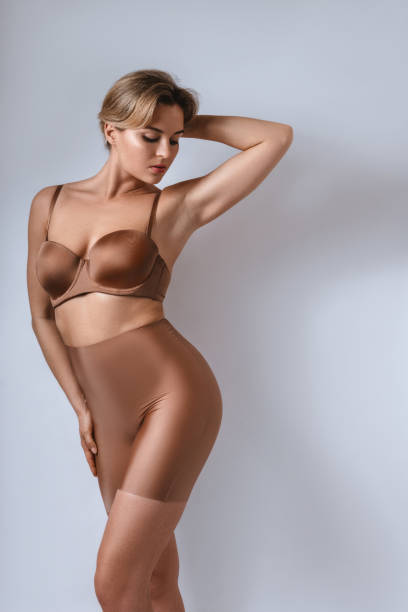
Ideal shapewear pressure is usually defined as “light to moderate compression,” meaning that when worn, there is a noticeable sense of wrapping, but still allows for natural breathing and unrestricted movement. A simple criterion for judgment is:
Able to breathe deeply and naturally : Clothes stretch slightly when you inhale, but do not press against your chest.
Sit without feeling stuffy : Maintain a sitting position for 3 minutes without feeling any tightness.
There are no persistent red marks on the skin : If there are still deep indentations 30 minutes after taking it off, it means it is too tight.
In professional testing, shapewear pressure is often measured in millimeters of mercury (mmHg). It’s generally recommended that shapewear pressure for daily wear should not exceed 20-25 mmHg. Shapewear designed for postoperative or postpartum use can be slightly higher, but this should only be used under a doctor’s guidance.
3. Potential Risks of Excessive Compression
Many women, in their pursuit of “instant slimming,” often neglect their body’s feelings. In fact, wearing shapewear that is too tight for a long time may cause the following problems:
Impact on the digestive system : Continuous pressure on the abdomen can cause acid reflux or abdominal bloating.
Obstruction of blood circulation : Blood flow to the legs and waist is obstructed, which can easily lead to varicose veins or numbness.
Shallow breathing and stiff posture : Excessive support makes the core muscles “lazy”, which in turn weakens the body’s strength.
shapewear isn’t to “create curves” but to “guide them.” When the body is gently wrapped, the muscles and skeleton are naturally reminded to adjust to the correct posture. This “flexible correction” is the only long-term and effective method.

4. Tips for Selection and Trying On:
When buying shapewear , the most important thing is the experience of trying it on . Don’t just look at the size chart or the model’s effect; actually put it on to determine if it fits.
Observe your breathing and movements : Can you bend over, squat, and raise your hands freely?
Pay attention to the material’s resilience : high-quality elastic fibers provide continuous support without being constricting.
Zoning design is prioritized : choose styles with structural distribution in key areas such as the abdomen and buttocks to avoid one-piece dead pressure.
In addition, the usage time of shapewear also needs to be controlled. It is generally recommended to wear it for no more than 8 hours a day and give the skin enough time to breathe.
Conclusion: Shapewear isn’t about pressure, it’s about nurturing.
Ideal shapewear shouldn’t force you to painfully adapt to the garment; it should adapt to your body. It should be a gentle reminder , allowing you to stand taller and feel more confident, rather than a constraint.
truly understand shapewear understand one thing: curves aren’t achieved through pressure, but rather through understanding, support, and time.
When you put on the perfect shapewear , you can breathe freely without holding your breath—that’s when beauty begins.