https://www.lacosteus.com/the-ultimate-guide-to-modern-shapewear-function-science-and-confidence/
Introduction: The Importance of Putting on and Taking Off Shapewear
Shapewear, a functional item in modern women’s wardrobes, not only optimizes body curves, enhances posture and confidence, but also makes clothing fit the body better in certain situations. However, many women , lacking proper techniques, easily experience marks, pressure, or even physical discomfort when putting on and taking off shapewear . Improper putting on and taking off can not only destroy the compression effect of shapewear but also potentially damage the skin and affect blood circulation. Therefore, mastering scientific putting-on and taking-off techniques is an essential aspect for every woman using shapewear . This article will comprehensively analyze how to ensure shapewear effectively shapes the body while protecting health, allowing curves to appear naturally, from aspects such as pre-wearing preparation, wearing order, taking off methods, matching different styles, body shape adaptation, material and pressure adjustment, and precautions for putting on and taking off .
I. Preparations before wearing
wearing shapewear is fundamental to ensuring comfort and a flattering effect. First, choose a size and style that matches your body shape and needs. A size that’s too small will cause excessive pressure, affecting breathing and blood circulation; a size that’s too large won’t provide effective shaping, resulting in an indistinct curve. Second, choose suitable underwear to complement the shapewear . Women with fuller busts are advised to choose a supportive bra, while those with smaller or flatter busts can choose a lightweight bra or one with a lifting design to ensure a natural transition from the bust line to the waist, abdomen, and hips. Third, before putting it on, check that the zippers, clasps, and elastic fabric of the shapewear are intact to ensure there are no damaged fasteners or torn fabrics during putting on and taking off. Proper pre-wearing preparation maximizes comfort and shaping effects, laying the foundation for correct putting on and taking off.
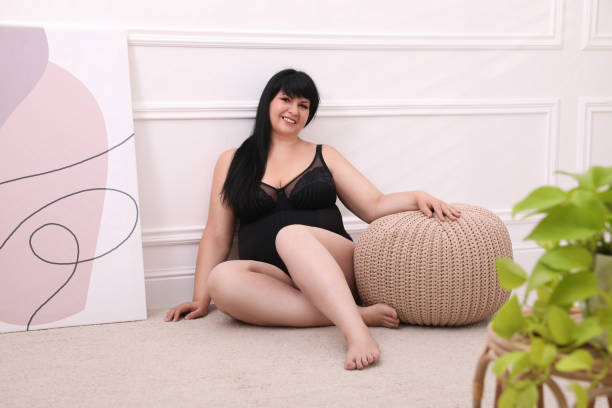
II. Scientific Order of Dressing
The correct order of wearing shapewear is crucial for its comfort and shaping effect. It’s generally recommended to wear your bra first, then the shapewear . This allows for a natural transition between the bust, waist, and hips, preventing the bra from shifting or folding. If the shapewear is a one-piece, gently slip the lower half under your legs first, adjusting the hip position, then gradually pull it up to the waist and bust. The shoulder straps and back should be adjusted gently to distribute pressure evenly across the shoulders, back, and chest. For two-piece shapewear , wear the bottom shapewear first , then the top, ensuring a smooth waistline and hip contour. Avoid pulling or stretching during wear; make gentle adjustments to allow the fabric to fit snugly against your body without causing discomfort.
III. Methods for removing shapewear
you remove shapewear is equally important, especially for highly elastic bodysuits or high-compression shapewear . It’s recommended to unzip or fasten the garment first, then slowly remove it from top to bottom or bottom to top, avoiding forceful pulling that could deform the fabric or cause muscle strain. During removal, you can gently massage your waist, abdomen, and hips to help restore blood circulation and reduce discomfort from compression. If you experience slight redness or marks after wearing shapewear for extended periods , perform gentle skincare after removal, such as applying moisturizer or gently patting the area to relieve tightness. This scientific method of removal not only protects the lifespan of your shapewear but also prevents damage to your body’s curves.
Wearing and Taking Off Different Styles of Shapewear
Different styles of shapewear require different putting-on and taking-off methods. One-piece shapewear, due to its large coverage area, requires special attention to adjustments at the shoulders, chest, and hips. It’s recommended to wear it in sections, starting from the legs and gradually pulling it upwards to the chest, then adjusting the shoulder straps. Two-piece shapewear is easier to put on and take off, but attention should still be paid to the transition between the waistline and hip line to ensure a natural curve. When wearing high-waisted or waist-cinching shapewear , first secure the waist and abdomen, then pull it up to the chest or hip area to ensure even compression. For targeted shaping styles such as thigh-high sleeves or abdominal belts, stretch gently to avoid fabric rolling or uneven compression caused by quick putting on and taking off. Understanding the characteristics of each style and using the appropriate putting-on and taking-off methods is key to protecting your curves and ensuring a comfortable experience.
V. Body Fit and Gradual Clothing Adaptation
For beginners or those who haven’t worn shapewear for a long time , the body needs time to adapt to the compression and restriction. It’s recommended to start with one to two hours of wear for the first time, observing comfort in the waist, abdomen, hips, and chest. As adaptation improves, gradually increase the wearing time. Wearing high-compression shapewear for excessively long periods or frequently may lead to restricted blood circulation, muscle fatigue, or skin marks. Through gradual wear, beginners can gradually adapt to the compression of shapewear , allowing the body’s curves to naturally appear in a comfortable state. This adaptation process not only protects the body but also helps the wearer become more proficient in putting on and taking off shapewear , improving wearing efficiency.
VI. Adjustment of Fabric Elasticity and Compression
shapewear fabrics have a significant impact on the wearing and removal experience. High-elasticity fabrics tend to rebound during stretching, so care should be taken to control the force applied when putting on and taking off the garment to avoid excessive stretching that could lead to fabric fatigue or tearing. Some shapewear pieces feature adjustable compression bands or multi-position buckles, allowing beginners to adjust the pressure according to their body shape and comfort level, ensuring even distribution of compression across the chest, waist, abdomen, and hips. For those with smaller busts or more abdominal fat, adjusting the position of the compression bands can achieve a visually optimized silhouette without harming the body. A proper match between material and compression is crucial for protecting the body’s curves and ensuring comfort during the wearing and removal process.
VII. Precautions during the donning and doffing process
when putting on and taking off shapewear . First, avoid stretching the fabric quickly in one go to prevent localized pressure or tearing. Second, the pressure should be evenly distributed across the shoulders, waist, abdomen, and hips; adjust the position promptly if you notice any marks or creases. Third, maintain a natural posture during the process, avoiding excessive bending or force. For beginners or those who haven’t worn shapewear for a long time , it’s recommended to observe changes in your curves in front of a mirror to ensure a natural and comfortable fit. After putting on and taking off shapewear, you can gently massage your waist, abdomen, and hips to promote blood circulation and relieve pressure. Properly following these precautions not only protects your body’s curves but also extends the lifespan of your shapewear .
VIII. The Importance of Donning and Doffing for Curve Protection
shapewear directly affects its shaping effect and the protection of your body curves. Correct putting on and taking off allows shapewear to naturally tighten around the waist, abdomen, hips, and chest, creating smooth, three-dimensional curves while avoiding poor blood circulation or skin damage caused by excessive pressure. Incorrect putting on and taking off can cause localized creases, marks, and even affect the comfort of bones and muscles. Especially for highly elastic or high-compression shapewear , beginners should pay extra attention to the details of putting on and taking off, operating scientifically to ensure that the curves remain natural, healthy, and beautiful with each application.
IX. Psychological Preparation and Adaptation Mindset
Putting on and taking off shapewear is not just a physical operation, but also involves psychological adaptation. Newcomers may experience slight pressure or restriction upon first wearing it, which is normal. Maintaining patience and a scientific mindset, and understanding the compression principles and functions of shapewear , will help wearers gradually adapt and master the techniques. Through repeated practice, both efficiency and comfort will significantly improve, while also allowing for more precise control over the shapewear’s curves. Mental preparation and an adaptive mindset are crucial for ensuring safe wearing and taking off of shapewear and achieving a natural curve presentation.
Conclusion: Scientific dressing and undressing techniques ensure a natural and healthy figure.
shapewear is fundamental for every woman to achieve natural curves and comfortable wear. Through pre-wear preparation, a scientific wearing sequence, slow removal, adapting to different styles, gradual wear, adjusting fabric elasticity and compression, precautions, and psychological adaptation, beginners can protect their body curves and achieve ideal shaping results with each wearing and removal process. Scientific wearing and removal not only extends the lifespan of shapewear but also keeps curves natural and healthy, making every wear a comfortable, beautiful, and confident experience.
https://www.lacosteus.com/the-ultimate-guide-to-modern-shapewear-function-science-and-confidence/